
Build vs Buy: Affiliate Tracking Software

Introduction
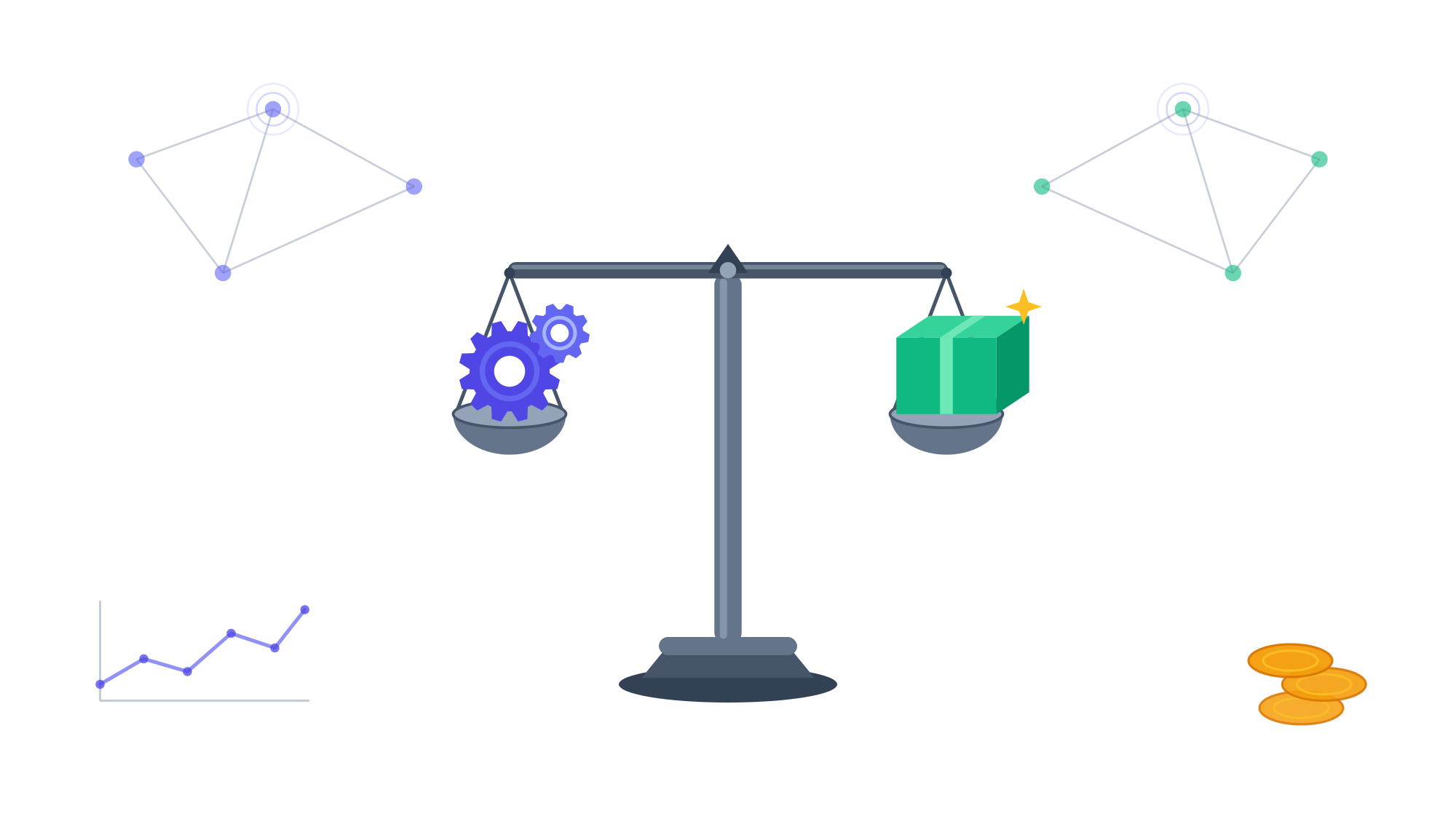
Affiliate programs depend on tracking accuracy, commission logic, partner reporting, payout control, and fraud protection. When a company scales beyond manual spreadsheets or basic referral links, it must decide whether to build an internal system or buy a ready-made platform.
This build vs buy affiliate tracking software decision affects launch speed, engineering workload, data ownership, compliance risk, and total cost. The right choice is not based on preference. It depends on program complexity, technical resources, event volume, partner expectations, and long-term operating model. For companies that want to avoid building every tracking, reporting, permission, and payout workflow from scratch, an affiliate tracking platform for scalable partner programs can provide the operational foundation needed to launch and manage affiliate relationships faster.
What Does Build vs Buy Mean in Affiliate Tracking Software?
Build means creating an internal affiliate tracking software system with an in-house engineering team or external development partner. The company controls architecture, data model, attribution rules, dashboards, APIs, permissions, and custom workflows.
Buy means using a SaaS affiliate management software platform that already includes click tracking, postbacks, conversion attribution, partner dashboards, commission rules, reporting, integrations, payout workflows, and vendor support. The company pays for speed, reliability, maintenance, and tested infrastructure.
The decision usually involves three layers:
- product scope: tracking, commissions, dashboards, payments, fraud tools;
- technical scope: APIs, hosting, data model, security, monitoring;
- operational scope: partner support, finance workflows, compliance, reporting.
A build project gives control but also creates permanent responsibility. A buy project reduces development burden but requires vendor due diligence, contract review, data access checks, and integration testing.
In-House Affiliate Tracking Software: When Custom Development Works
In-house development works when the affiliate program has proprietary logic that standard platforms cannot support. This applies to complex attribution models, custom billing events, internal data warehouse rules, strict data residency requirements, or highly specific partner workflows.
The build option also fits companies that treat tracking infrastructure as strategic IP. Large operators, marketplaces, fintech platforms, iGaming groups, or subscription businesses with mature engineering teams sometimes need full control over every event, payout rule, and data pipeline.
Best-fit scenarios for custom development:
- proprietary attribution or multi-touch logic;
- deep integration with internal billing, CRM, or product systems;
- strict ownership of raw event data;
- internal BI and data warehouse requirements;
- unusual commission rules or partner hierarchies;
- large engineering capacity and long-term platform budget.
The risk is operational drag. Every feature must be designed, coded, tested, documented, secured, monitored, and updated. A tracking bug is not a cosmetic issue; it can create unpaid commissions, affiliate disputes, inaccurate reports, and revenue leakage.
SaaS Affiliate Tracking Software: When Buying Is the Better Option
Buying a SaaS affiliate tracking platform is better when the company needs to launch quickly, reduce technical risk, and use proven workflows. Most teams do not need to reinvent tracking links, partner portals, postback handling, commission tables, invoices, and dashboards from zero.
SaaS platforms are strongest when the program uses standard models: CPA, CPL, RevShare, Hybrid, recurring commissions, coupon attribution, referral links, tiered commissions, or multi-campaign tracking. Vendor support also matters when affiliate managers, finance users, and partners need stable daily operations. In regulated verticals such as casino, betting, and gaming, buying affiliate software for casino and sportsbook programs can be especially practical because the platform already needs to support player-level tracking, CPA and RevShare logic, fraud controls, affiliate dashboards, and structured payout workflows.
Buying is usually the better option when:
- launch speed is a priority;
- engineering capacity is limited;
- standard commission models cover most cases;
- affiliate dashboards and reports are needed from day one;
- fraud controls and compliance logs are required;
- vendor support is important for onboarding and troubleshooting.
The tradeoff is dependency. The buyer must verify data export options, API depth, uptime commitments, contract terms, pricing tiers, roadmap fit, and support quality. A poor vendor choice creates lock-in without solving operational problems.
Cost, Time-to-Market, and Total Cost of Ownership
The build-vs-buy decision should not compare only license cost against developer salaries. In-house development includes product management, backend engineering, frontend work, QA, DevOps, infrastructure, security, analytics, documentation, monitoring, and support.
SaaS creates subscription or usage-based cost, but it also carries setup fees, migration work, custom integration time, support tiers, payment processing fees, and contract limitations. The correct comparison is affiliate software total cost of ownership, not first-year price.
A delayed launch has opportunity cost. If the program waits six to twelve months for a custom system, the business loses partner acquisition, traffic, revenue, and market feedback during that period.
Tracking, Commissions, Reporting, and Payments
Affiliate software must record more than clicks. A reliable system tracks impressions, clicks, registrations, purchases, deposits, subscriptions, renewals, refunds, chargebacks, and approved conversions. Each event must connect to the right affiliate, campaign, channel, and commission rule.
Building gives complete flexibility, but every rule becomes an engineering task. Buying gives ready-made tools, but the company must confirm that the platform supports its exact payout model, event taxonomy, partner tiers, and reporting structure.
Critical features include:
- click, conversion, and event tracking;
- server-to-server postbacks;
- coupon and referral link attribution;
- CPA, CPL, RevShare, Hybrid, recurring, and tiered commissions;
- affiliate dashboards and real-time reports;
- invoice, balance, and payout workflows;
- API exports and finance reconciliation.
Payment accuracy is the trust layer of an affiliate program. If reports and payouts do not match, partners lose confidence. Finance teams need balance history, approval controls, adjustment logs, payout status, and exportable records.
Integrations, Fraud Prevention, Compliance, and Security
Affiliate tracking rarely operates alone. It must connect with CRM systems, payment processors, billing platforms, eCommerce engines, iGaming PAMs, analytics tools, data warehouses, marketing automation tools, and finance systems.
A build project must create and maintain these integrations internally. A SaaS product already has common connectors, but the buyer must check depth, limits, field mapping, webhook reliability, API rate limits, and failure handling.
Fraud prevention is another major requirement. A tracking system should detect duplicate conversions, suspicious click bursts, cookie stuffing, attribution abuse, fake leads, incentivized traffic, chargeback patterns, and policy violations.
Compliance and security controls should include role-based access, audit logs, consent records, data retention rules, encryption, secure API authentication, permission management, and privacy documentation. These requirements are expensive to ignore after launch.
Decision Framework: How to Choose Build or Buy
The best decision comes from a requirements matrix. The company should define tracked events, commission models, partner tiers, reporting needs, integration scope, compliance controls, data ownership requirements, and launch deadline before comparing options.
Each requirement should be scored as must-have, important, or optional. This prevents emotional decisions and keeps the discussion focused on operational fit, not demo quality or development pride.
Decision checklist:
- Do we need custom logic that SaaS tools cannot support?
- Do we have engineering capacity for multi-year maintenance?
- How fast must the affiliate program launch?
- Which commission models and payout workflows are required?
- Which systems must integrate with tracking data?
- What fraud and compliance controls are mandatory?
- What is the full three-year cost of each option?
A hybrid path also exists. A company can buy a SaaS platform for launch, then build custom data layers, BI dashboards, or internal reconciliation tools around it. This reduces time-to-market while preserving control over strategic analytics.
Conclusion
The build vs buy affiliate software decision is a business architecture choice. Building delivers ownership, custom logic, and deeper control, but it requires long-term engineering investment, strict QA, security work, monitoring, and operational discipline.
Buying delivers speed, proven infrastructure, support, and ready-made workflows, but it depends on vendor fit, data access, contract terms, and platform flexibility. Neither option is automatically better.
Companies should decide through real workflows: click tracking, conversion recording, postback delivery, commission calculation, fraud review, payout approval, report export, and partner dashboard access. The right system is the one that protects revenue, reduces disputes, and supports growth without creating hidden operational debt.
FAQ
The following answers summarize practical questions about custom affiliate tracking software and SaaS platforms. The right answer depends on scale, risk tolerance, technical capacity, and affiliate program maturity.
Before choosing, companies should document tracked events, payout rules, integrations, reporting users, compliance controls, partner workflows, and long-term ownership requirements.
1. Is it better to build or buy affiliate tracking software?
Buying is usually better for fast launch, standard workflows, and limited engineering capacity. Building is better when proprietary logic, strict data control, or deep internal integrations are essential.
2. When should a company build affiliate tracking software?
A company should build when the tracking system is strategic infrastructure, the workflow is highly custom, and the engineering team can maintain it for several years.
3. When should a company buy SaaS affiliate tracking software?
A company should buy when it needs reliable tracking, dashboards, commissions, fraud tools, payouts, integrations, and support without building core infrastructure from scratch.
4. What are the hidden costs of building affiliate software?
Hidden costs include QA, hosting, DevOps, security, compliance, bug fixing, documentation, partner support, monitoring, and continuous feature development.
5. What features matter most?
The core features are accurate tracking, postbacks, flexible commissions, reports, partner dashboards, fraud detection, payout workflows, APIs, permissions, and audit logs.
Become a champion with irev
[Only 13 slots left this month]
Irev puts your partner program on the fast track to real growth


 SIGMA Award Winner
Best marketing solution provider
SIGMA Award Winner
Best marketing solution provider