
Top Features to Look for in Lead Distribution Platforms

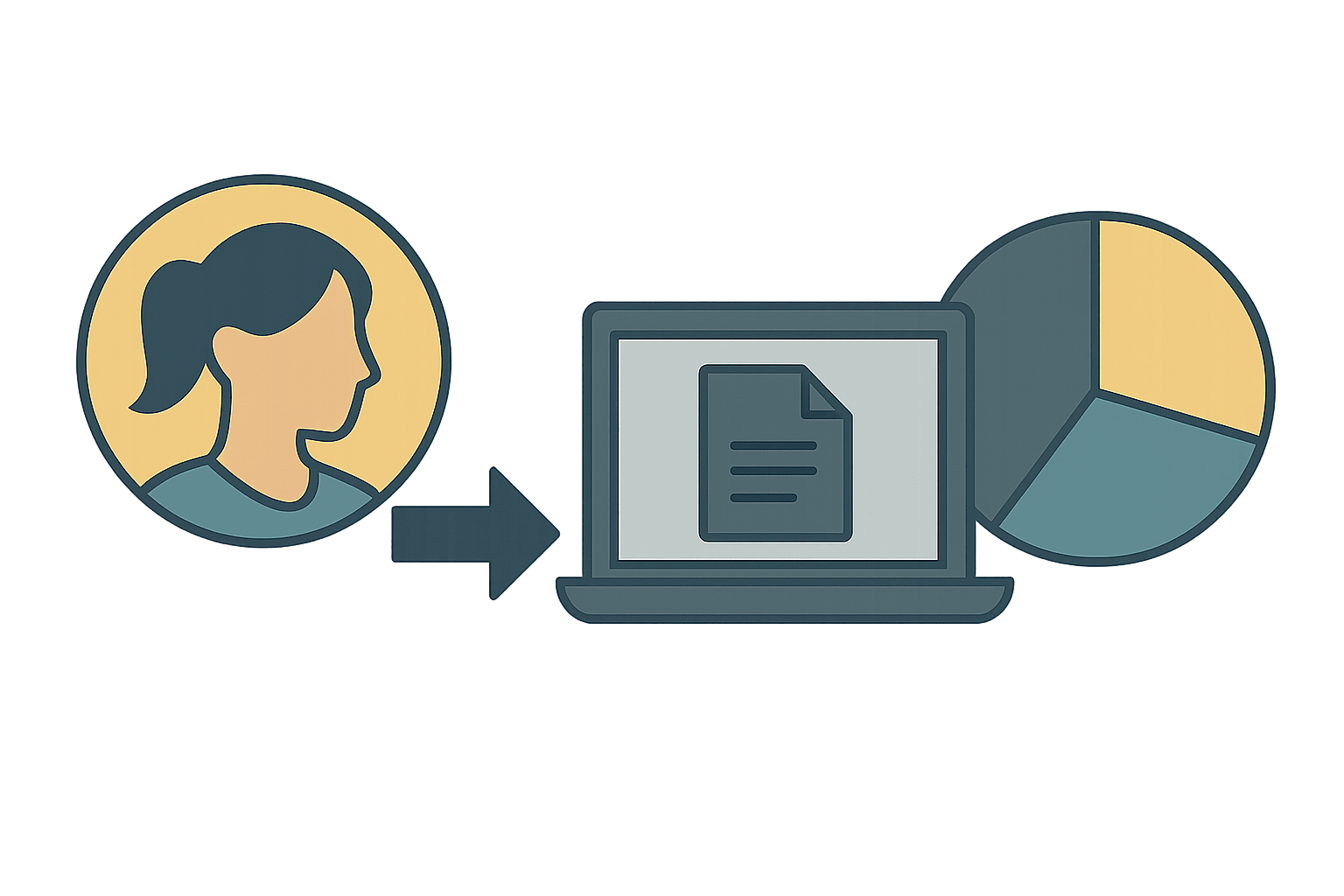
Selecting the right lead distribution platform is not just a technical decision—it’s a strategic one. In high-volume environments, where speed and precision define revenue outcomes, your software’s capabilities directly influence how quickly and accurately leads convert into sales. A well-equipped system enables automation, enhances visibility, and supports intelligent decision-making.
With countless tools available, understanding which features truly matter can help businesses avoid costly limitations and ensure scalable success. This article outlines the most important features to prioritize and how they impact your lead generation and sales infrastructure.
📊 By the Numbers
- Leads contacted within 1 minute convert at ~391% higher rates than leads contacted after 30 minutes (Velocify / ICMI).
- 78% of customers buy from the company that responds first (Lead Connect / InsideSales).
- Automated lead distribution delivers 10× faster response times and 25–35% higher qualified-lead conversion rates (Forrester, MarTech).
- The global lead generation software market is projected to grow from ~$3.5B (2024) to ~$9.5B by 2030 at ~17% CAGR (Grand View Research).
Why Features Matter in Lead Routing Systems
Every lead routing system promises efficiency, but not all platforms deliver the same level of control or transparency. The features baked into your solution determine how effectively you can manage, route, qualify, and optimize leads across various channels and partners.
Functionality is especially critical when dealing with real-time bidding, performance marketing campaigns, or compliance-heavy sectors. Lacking essential features can result in wasted spend, lead loss, or data security violations. Evaluating a platform based on feature set—not just pricing—ensures long-term operational integrity.
Top 15 Features to Look For in Lead Distribution Platforms
To build a resilient and scalable lead delivery system, prioritize platforms that include the following features:
- Rule-Based Routing Logic. Dynamic logic to assign leads based on geo, lead type, capacity, rep availability, or partner priority.
- Real-Time Lead Delivery. Instant lead dispatching with low latency ensures faster response times and higher conversion rates.
- Lead Scoring & Filtering. Automatically rank and filter leads based on behavioral, demographic, or custom signals to optimize routing.
- Multi-Channel Distribution. Route leads to CRMs, emails, SMS platforms, call centers, or external APIs simultaneously or sequentially.
- Geographic and Demographic Targeting. Set rules based on location, age, income range, or industry to match leads with the right sales channel.
- Lead Caps and Throttling. Control volume per partner, per campaign, or per time block to maintain compliance and avoid oversaturation.
- Duplicate Detection and Validation. Identify and filter out repeated or invalid leads to maintain database integrity and avoid false attribution.
- Compliance Management (GDPR, TCPA, etc.). Built-in consent tracking, audit trails, and suppression list syncing ensure legal compliance.
- Analytics and Reporting. Performance dashboards that track delivery rate, lead value, conversion metrics, and partner performance.
- Custom Integrations and Open APIs. Flexible integration with proprietary or third-party systems to ensure end-to-end data flow.
- Smart Alerts and Notifications. Real-time notifications for lead failures, rule breaches, or traffic anomalies for proactive response.
- Ping-Post / Ping-Tree Architecture. Maximizes lead value by auctioning each lead in real time to multiple buyers based on price and acceptance criteria. Look for multi-tier ping-tree support, configurable ping/post timeouts, buyer-side rejection handling, price-floor logic, and full audit logging of each bid.
- AI / ML Lead Scoring & Predictive Routing. Predicts conversion probability for each lead before routing, so high-intent leads go to top closers and low-intent leads to nurture flows automatically. Look for trainable models, explainable scores, automatic retraining, and the ability to mix ML scores with rule-based logic.
- Webhooks & Event-Driven Architecture. Enables real-time, two-way data sync with any external system without polling or batch jobs. Look for configurable webhooks per event type, retry logic with exponential backoff, signed payloads (HMAC), and a webhook test/replay console.
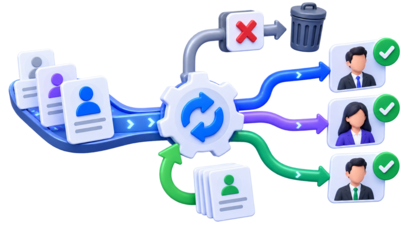
- Lead Recycling & Re-Engagement. Recovers revenue from rejected, unsold, or unconverted leads by routing them through alternative buyers, channels, or nurture sequences after a configurable cooldown. Look for automated recycling rules, freshness/aging caps, suppression list enforcement, and per-recycle attribution.
Comparative Table of Features
Lead Distribution Platform Feature Comparison
Commercial terms
Commercial Terms
Vendor terms verified against public documentation at the time of publication; check the latest vendor docs before signing.
IREV stands out by offering intelligent lead routing, integrated fraud protection, and full compliance tracking, making it the most robust and revenue-optimized solution in its class.
How These Features Impact Lead Quality and Sales Performance
Each feature in a lead distribution system exists to solve a specific problem: inefficiency, lead loss, data misuse, or sales friction. For example, real-time routing paired with lead scoring ensures that only high-quality prospects reach your top performers in time to convert.
Advanced targeting and filtering reduce lead waste by matching buyers with the right offer or sales team. Built-in analytics allows you to measure which traffic sources, partners, or campaigns yield the highest return. When combined, these features produce measurable improvements in sales velocity, customer experience, and ROI.
Use Cases by Vertical
💰 Finance & Fintech
Sub-minute response times directly drive conversion. Look for ping-post auctions, TCPA/GDPR consent capture, and bank-grade encryption. Hot use cases: short-term lending, personal loans, mortgage, crypto onboarding. SOC 2 Type II, ISO 27001, and DNC scrubbing are table-stakes.
🎰 iGaming & Casino
Geo-targeting and licence-jurisdiction filters are non-negotiable. Pair real-time routing with affiliate tracking and FTD attribution. See our dedicated iGaming affiliate software. Anti-fraud must include device fingerprinting and behavioural signals.
🛡 Insurance
The heartland of ping-tree distribution. Each lead is auctioned to multiple carriers. Prioritise multi-tier ping-trees, granular caps per carrier, and rejection-reason analytics. Lead recycling matters: a lead a top-tier carrier rejects often converts at a Tier-2 carrier 24 hours later.
💼 B2B SaaS & Tech
Lower volume, higher value — focus on AI scoring (intent + firmographics), territory / account-based routing, round-robin among SDRs, and tight Salesforce / HubSpot integrations. Key metric: lead-to-meeting-booked rate, not just lead-to-contact.
🏠 Real Estate
Routing by ZIP code, agent capacity, and property type. Lead recycling is critical because rejected leads still convert in a different price range or timeframe. Add agent-capacity throttling: an agent already at 12 active deals shouldn’t get a 13th lead automatically.
What to Avoid: Red Flags in Lead Distribution Software
Not all platforms are created equal. Be cautious if a provider:
- Lacks real-time processing or requires manual uploads.
- Does not support custom routing rules beyond basic conditions.
- Offers limited visibility into performance data or fails to log delivery failures.
- Has no API or few integration options with CRM and martech systems.
- Provides no transparent audit log of every routing decision.
- Makes “AI” claims with no exposed feature inputs or model-retraining schedule.
- Ships webhooks without signing, retries, or replay capability.
- Has no suppression-list / DNC integration — a direct path to regulatory fines.
- Offers no sandbox / test environment for buyers and integration partners.
- Quotes pricing only on contract — refuses to share a starting price range.
- Holds no SOC 2 or ISO 27001 attestation when handling regulated leads.
These red flags signal that the system may not scale with your business or meet compliance and performance standards in high-pressure environments.
Buyer's Evaluation Scorecard
Use this 20-point scorecard to compare any lead distribution vendor in a structured way. For each criterion, rate the vendor 1–5, multiply by the weight, then sum the totals.
Buyer Evaluation Scorecard
Score = Σ(rating × weight).
Anything
≥ 180/240
is enterprise-ready. Below
120
— keep shopping.
Integration Ecosystem
IREV’s lead distribution layer ships with native integrations across the systems your team already uses:
📇 CRMs
Salesforce, HubSpot, Zoho, Pipedrive, Microsoft Dynamics
📞 Diallers
Five9, NICE, Genesys, Vonage
📣 Marketing Automation
Marketo, Pardot, ActiveCampaign
📊 BI Warehouses
Snowflake, BigQuery, Redshift
🛡 Fraud Prevention
Sumsub, Veriff, Onfido
🔌 Anything Else
REST API + signed webhooks
Mini Case Study
Customer Story · US Tier-2 Lender
14s → 280ms
Routing latency
+31%
Qualified-lead conversions in 90 days
−2
Legacy in-house scripts retired
Numbers anonymised; client confidentiality on request.
Conclusion
Choosing a feature-rich lead distribution platform is essential to building a high-performing lead generation and conversion pipeline. While basic systems may suffice in the early stages, growing businesses need advanced routing, compliance, scoring, and reporting tools to stay competitive and agile.
Platforms like IREV deliver the performance, reliability, and intelligence necessary to streamline operations, protect lead quality, and maximize revenue. Evaluate tools not just on cost, but on their ability to adapt to your use case, scale with your volume, and support your partners.
FAQ
[1] How many features does my business really need?
Start with routing, validation, and real-time delivery. As your volume grows, scoring, throttling, and analytics become critical.
[2] Can IREV integrate with my existing CRM?
Yes. IREV offers open API access and built-in connectors for popular CRMs and marketing automation tools.
[3] Is real-time routing necessary for all industries?
Not always, but it significantly improves conversion rates in competitive verticals like finance, insurance, and B2B tech.
[4] What if my current platform doesn’t support compliance management?
This is a risk. Look for systems like IREV that offer GDPR/TCPA compliance tools by default.
[5] Why is lead scoring important?
Scoring helps prioritize high-value leads and routes them to the most qualified recipients, improving efficiency and ROI.
[6] What is the difference between lead distribution and lead management?
Lead management is the broader lifecycle (capture → nurture → convert). Lead distribution is the specific layer that decides who receives each lead and when. A platform like IREV does distribution natively and integrates with whatever lead-management CRM you already use.
[7] How does ping-post lead distribution work?
When a lead comes in, the platform “pings” multiple buyers with non-identifying data (geo, vertical, basic profile). Each buyer responds with a bid or pass. The winning buyer “posts” — receives the full lead — and is charged. Everything happens in under a second.
[8] Can a lead distribution platform replace my CRM?
No — and it shouldn’t try to. The platform sits between your traffic sources and your CRM(s), making sure the right lead reaches the right destination instantly. Best-in-class platforms integrate with Salesforce, HubSpot, Zoho, and any custom CRM via API.
[9] How long does it take to deploy a lead distribution platform?
A modern SaaS platform should be live in 1–3 weeks for standard setups. Complex multi-vertical or ping-tree deployments can take 4–8 weeks. Anything quoting 6 months for a basic setup is a red flag.
[10] How is pricing typically structured?
Three common models: (1) flat monthly SaaS fee — predictable, best for high-volume operators; (2) per-lead pricing — variable, good for testing; (3) hybrid — base fee plus per-lead overage. Avoid vendors that won’t share a starting range.
Become a champion with irev
[Only 9 slots left this month]
Irev puts your partner program on the fast track to real growth


 SIGMA Award Winner
Best marketing solution provider
SIGMA Award Winner
Best marketing solution provider